Perimenopause and Menopause: Understanding the Transition and How to Thrive

Do You Need to Wait a Year After Your Last Period to Start Hormone Therapy?
Absolutely not! This common misconception leads to unnecessary suffering. The best time to start bio-identical hormone replacement therapy (BHRT) is as soon as you begin experiencing perimenopausal symptoms.
- Perimenopause is the transitional phase where hormone levels fluctuate, and progesterone starts declining as early as age 35. These shifts increase the risk of bone loss, cardiovascular disease, and diabetes.
- Menopause is the point in time that occurs one year after your last menstrual period.
Could You Be in Perimenopause?
If you're experiencing hot flashes, brain fog, or unpredictable moods, your body may be shifting into perimenopause. But did you know there are over 100 possible symptoms? Some lesser-known signs include:
- Frozen shoulder
- Heart palpitations
- Panic attacks (even if you’ve never had them before)
- Frequent UTIs
- Hair loss
- Bloating and constipation
- Trouble sleeping
Embracing the Transition with Confidence
Perimenopause and menopause are natural phases of life, not conditions to fear. Taking a proactive approach through nutrition, lifestyle changes, and hormonal support can help you navigate this transition.
What is BHRT?
Bio-identical hormones are chemically identical to those naturally produced by your body. Unlike synthetic hormones used in traditional hormone replacement therapy (HRT), bio-identical hormones come from plant sources like soy and yams, allowing for a more natural response with fewer side effects.
Common Bio-Identical Hormones & Their Benefits:
- Estrogen (Estradiol, Estriol) – Supports hot flashes, vaginal dryness, joint health, heart health, and bone density.
- Progesterone – Helps with mood, sleep, and estrogen balance.
- Testosterone – Boosts libido, muscle mass, and energy levels in both men and women.
The Functional Medicine Approach to Hormone Health
Functional medicine focuses on treating the root cause rather than just symptoms. Alongside BHRT, I use comprehensive lab testing to uncover underlying imbalances.
Steps You Can Take to Improve Symptoms
- Eat whole, nutrient-dense foods that support hormone health.
- Manage stress with mindfulness, meditation, or yoga.
- Incorporate strength training to maintain muscle and bone density.
- Prioritize sleep by reducing screen time and balancing blood sugar.
Who Am I?
I’m Noha Zaghlol, a Nurse Practitioner specialized in hormone health.
If you're experiencing menopausal symptoms and want to explore BHRT, I'd love to help. Let’s work together to restore balance and help you feel like yourself again! Book an appointment with Noha.
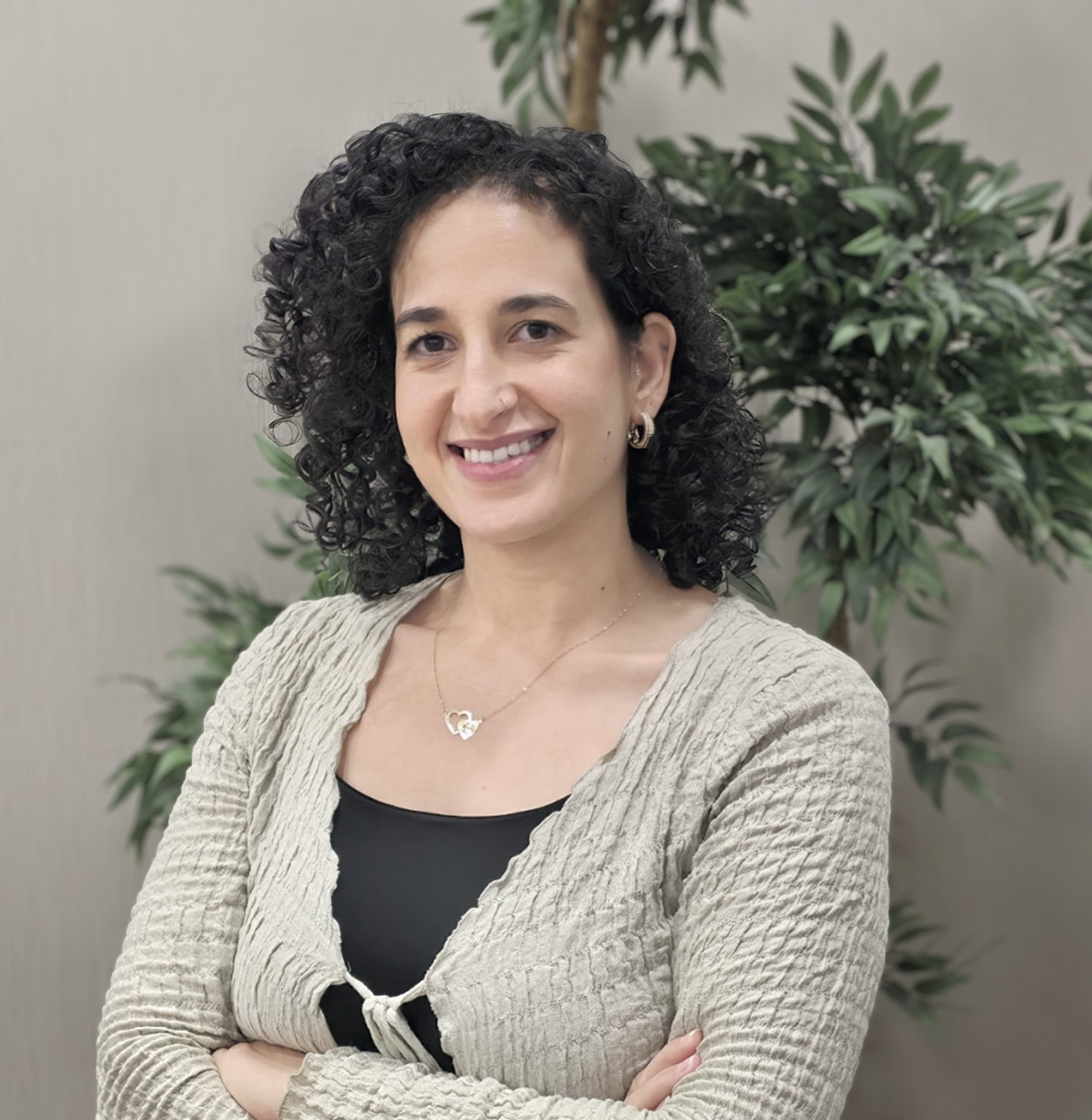
Noha Zaghlol earned her Master of Science in Nursing and Primary Health Care Certificate from York University and later specialized in functional medicine and hormone therapy after facing her own health challenges. Functional medicine transformed her health, and now she is passionate about helping others do the same.
CHI Services
All Services
Supportive Cancer Care
Naturopathic Medicine
Acupuncture & TCM
Integrative & Functional Medicine
Nurse Practitioner Care
IV Therapy
Psychotherapy & Counseling
Grief Support
Hypnosis & Life Coaching
Yoga Therapy
Physiotherapy & Lymphatic Therapy
Osteopathy
Reflexology
CranioSacral Therapy
Massage Therapy
Nutritional Support & Meal Plans
Fees & Schedules
Please see our online booking site regarding fees and schedules.
Recent Blogs

Playback Theatre Fundraiser in Support of Fear of Cancer Recurrence & Progression Program – Friday, May 22
May Spring Find Us