Oncology Association of Naturopathic Physicians Conference

Every year, the Oncology Association of Naturopathic Physicians (OncANP) holds a conference for integrative oncology providers. For those practicing integrative cancer care, this conference is an event you don’t want to miss! Clinicians and researchers united by their passion for supporting patients and cancer research, come together to share new evidence and clinical insights. This year, many of our naturopathic doctors (NDs) and researchers attended and presented at the conference. Read on for an inside scoop on integrative oncology topics and recent research.
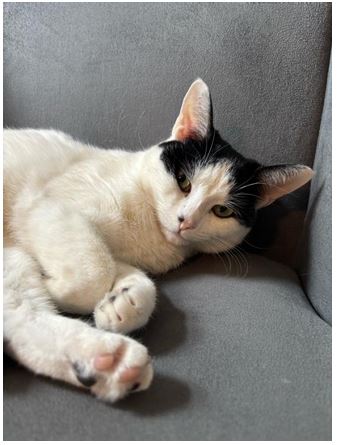
NDs with the CHI and the Patterson Institute, including Dugald Seely, Gillian Flower, Erica Rizzolo and Julie Robinson attended the conference, as well Ellen Conte, with the Patterson Institute and Halifax Naturopathic Health Centre. One of the perks to virtual conferences is that you can join from the comfort of home, perhaps even in pyjamas with a cat on your lap.
Highlights from conference lectures:
Intravenous (IV) Vitamin C in Oncology: A Purist’s Approach, with Dr. Jeanne A Drisko, MD
If you are someone who has received IV vitamin C before, you may already know that oral vitamin C is extremely different from intravenous vitamin C. Oral intake is limited by our ability to absorb and tolerate high doses. Higher doses can act as a laxative, causing side effects like diarrhea. IV administration, on the other hand, can safely deliver 50-100 grams by infusion reaching far higher concentrations in the blood. Following a review of evidence supporting the use of high dose IVC therapy for cancer, Dr. Drisko considered the use of other antioxidants alongside IV vitamin C. Dr. Drisko presented cell and animal studies which suggest that the addition of an antioxidant called glutathione may actually reduce the tumor-inhibitory effects of vitamin C, i.e., it is not advised that they be co-administered in the context of supportive cancer care. We are happy to note that this approach fits with our own clinical application of IVC at the CHI.
Words matter: The Words of a Caregiver Can Help or Harm, with Dr. Steve Bierman, MD
Dr. Bierman spoke about the impact words can have on our mindset, and health outcomes. A particularly important concept within this is the placebo/nocebo effect, “ideas can and do impact health and healing” as he wrote in one slide. While there are heavy words within cancer care, such as “terminal”, “incurable”, and “your changes of survival are X%”, he also highlights the fallacy of extrapolation (statistics being applied to an individual), and the fallacy of prophecy (it’s impossible for us to know exactly what someone’s health outcomes will be). He ended by reviewing the importance of delivering informed consent to patients in both an honest and supportive way.
Vitamin D for Cancer Care: Review of Studies to Discover Who May Benefit, with Laura Pole, MSN, RN, OCNS and Nancy Hepp, MS
Laura and Nancy completed a review of studies on vitamin D to determine who may benefit from supplementation, as well as to review safety information and guide dosing. According to their research, for those who have “deficient” or “insufficient” levels of vitamin D, supplementing with vitamin D may lead to a risk reduction or improved survival. Particularly, bringing your blood levels into the “sufficient” category may lower bladder cancer risk, colorectal cancer (CRC) mortality, CRC risk in women, as well as lower inflammation levels. It’s important to note that there appears to be a ‘U’ shaped curve whereby overly low or high levels of serum vitamin D may confer higher risk for cancer occurrence and mortality risk. It’s important to test levels and review your results with an ND who is knowledgeable in cancer care, particularly to optimize vitamin D dosing in the winter versus summer months in Canada.
The Essentiality of Physical Activity in Cancer Care, with our very own, Dr. Dugald Seely, ND
You have probably heard your doctor or other health professionals say that exercise is important, but when it comes to cancer care, how important is it? The answer is, well... very! Dr. Dugald Seely, ND shared some of the benefits of physical activity as it pertains to cancer outcomes, evidence-based recommendations for cardiovascular and strength training, and reviewed some behavioural changes to encourage successful implementation of physical activity. Dr. Seely is the CHI’s clinic founder and CEO, and executive director of the Patterson Institute for Integrative Oncology Research. Apart from benefits like improved mood and sleep, increased energy, preventing certain health conditions and weight management, regular exercise can also help prevent certain types of cancer, help maintain muscle mass, improve wound healing, improve chemotherapy related and radiation-related fatigue, improve quality of life, and more.
The American Cancer Society recommends exercise for long-term cancer survivors, to lower recurrence risk and improve overall survival. In the context of cancer prevention, 150-300 minutes of moderate-intensity aerobic activity or 75-150 minutes of vigorous intensity aerobic activity is recommended per week. Strength training at least twice a week is also recommended.
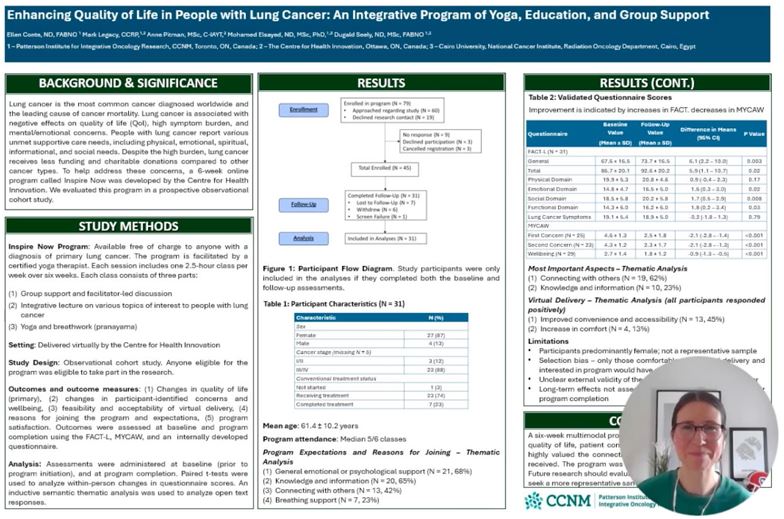
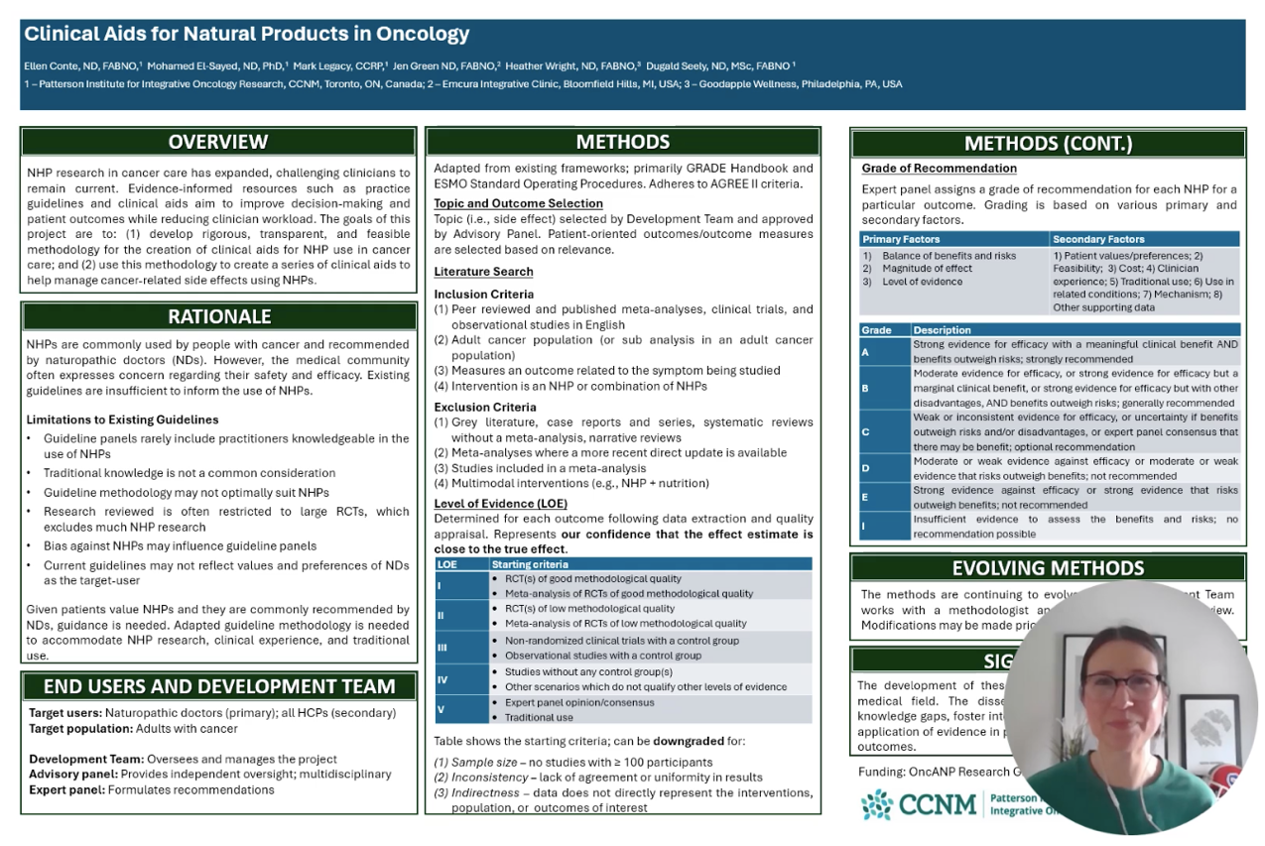
The OncANP conference always includes a poster session, for integrative oncology research. Researchers at the Patterson Institute submitted three abstracts to the conference, which were accepted as poster presentations. These included:
“Enhancing Qualify of Life in People with Lung Cancer: An Integrative Program of Yoga, Education and Group Support” which looked at the impact of an integrative yoga program on quality of life, as presented by Dr. Ellen Conte, ND.
“Clinical Aids for Natural Products in Oncology (CANPRO)” – an exciting project aiming to develop methodology that uses current evidence to inform clinical aids, and to then create a series of clinical aids for clinicians, also presented by Dr. Conte.
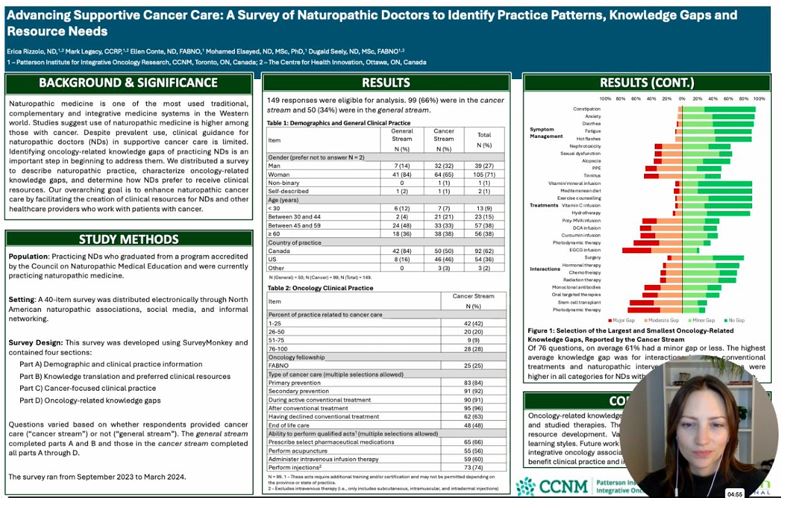
And lastly, “Advancing Supportive Cancer Care: A Survey of Naturopathic Doctors to Identify Practice Patterns, Knowledge Gaps and Resource Needs” – a survey of naturopathic doctors to guide the creation of clinical tools, to enhance supportive cancer care, presented by Dr. Erica Rizzolo, ND.
Read more about what studies the Patterson Institute is involved with, on our website: https://thechi.ca/research/
We hope you enjoyed learning from the OncANP conference as much as we did!
If you are interested in staying up to date on what the Patterson Institute is doing follow us on social media:
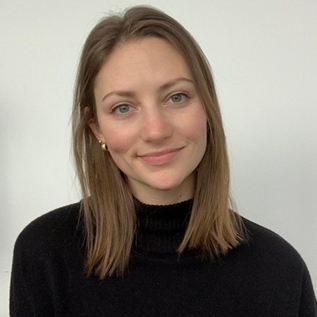
Erica is a licensed naturopathic doctor at The Centre for Health Innovation, where she works with people affected by cancer, digestive concerns and mental health conditions such as anxiety, eating disorders and ADHD. Erica joined the team at The Patterson Institute for Integrative Oncology Research as a research assistant in 2022 and has been practicing naturopathic medicine for over four years. She is also a member of the research committee for the Oncology Association of Naturopathic Physicians and the Psychiatric Association of Naturopathic Physicians.
CHI Services
All Services
Supportive Cancer Care
Naturopathic Medicine
Acupuncture & TCM
Integrative & Functional Medicine
Nurse Practitioner Care
IV Therapy
Psychotherapy & Counseling
Grief Support
Hypnosis & Life Coaching
Yoga Therapy
Physiotherapy & Lymphatic Therapy
Osteopathy
Reflexology
CranioSacral Therapy
Massage Therapy
Nutritional Support & Meal Plans
Fees & Schedules
Please see our online booking site regarding fees and schedules.
Recent Blogs
Playback Theatre Fundraiser in Support of Fear of Cancer Recurrence & Progression Program – Friday, May 22
May Spring Find Us